
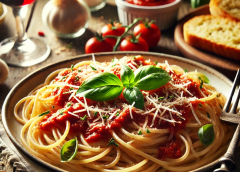
Italian Pasta: A Journey Through Flavor and Tradition
Introduction: Exploring the Rich History of Italian Pasta
Italian cuisine is renowned worldwide for its rich flavors and diverse range of dishes. At the heart of this culinary tradition lies pasta, a staple that has been enjoyed by Italians for centuries. The history of Italian pasta is a fascinating journey that reflects the country’s cultural heritage and its deep-rooted connection to food.

The origins of pasta can be traced back to ancient times, with evidence of its existence found in Etruscan tombs dating back to the 4th century BC. However, it was the Romans who truly embraced pasta, introducing it to different regions of Italy and incorporating it into their daily diet. The word “pasta” itself is derived from the Latin word “pasta,” meaning dough or pastry.

From Classic Shapes to Regional Specialties: A Guide to Italian Pasta Varieties
Italian pasta comes in a myriad of shapes and sizes, each with its own unique characteristics and purpose. From the classic spaghetti and penne to the lesser-known varieties like fusilli and farfalle, the diversity of Italian pasta is a testament to the country’s culinary creativity.
One of the most iconic pasta shapes is spaghetti, long, thin strands that are perfect for twirling around a fork. This versatile pasta pairs well with a variety of sauces, from the simple yet flavorful aglio e olio to the rich and hearty Bolognese. Another popular shape is penne, which features a hollow tube shape with angled ends, making it ideal for holding chunky sauces.
Beyond the classic shapes, Italy is also known for its regional pasta specialties. For example, in the southern region of Puglia, orecchiette is a popular choice. This small, ear-shaped pasta is traditionally served with a broccoli rabe sauce, creating a harmonious blend of flavors. In the northern region of Lombardy, tortellini is a beloved pasta variety. These small, ring-shaped pasta parcels are typically filled with a mixture of meat, cheese, or vegetables and served in a delicate broth.
The Art of Pasta Making: Traditional Techniques and Secrets
The art of pasta making in Italy is a time-honored tradition that has been passed down through generations. While modern technology has made the process more efficient, many Italian families still adhere to traditional techniques, believing that they are essential for achieving the perfect texture and flavor.
One of the key secrets to making great pasta lies in the quality of the ingredients. Italians take pride in using only the finest durum wheat semolina and fresh eggs, which contribute to the pasta’s rich flavor and golden hue. The dough is then kneaded by hand, a process that requires skill and patience to achieve the desired elasticity.
Once the dough is ready, it is rolled out and cut into the desired shape. Some pasta shapes, such as farfalle or tortellini, require intricate folding and shaping techniques that can be time-consuming but result in visually stunning pasta. Finally, the pasta is cooked in boiling salted water until al dente, a term that means the pasta is cooked but still firm to the bite.
Pasta and Beyond: Innovative Recipes and Modern Twists on Italian Tradition
While traditional Italian pasta dishes are beloved classics, modern chefs and home cooks are constantly pushing the boundaries of creativity, introducing innovative recipes and modern twists on Italian tradition. These new interpretations showcase the versatility of pasta and its ability to adapt to different flavors and cuisines.
For example, in recent years, there has been a surge in plant-based diets, leading to the rise of vegan pasta dishes. Chefs have developed recipes using ingredients like chickpea flour or zucchini noodles as a substitute for traditional wheat-based pasta. These dishes offer a lighter and healthier alternative while still capturing the essence of Italian flavors.
Additionally, fusion cuisine has also influenced the world of pasta. Chefs are experimenting with combining Italian pasta with ingredients and techniques from other cuisines, resulting in exciting and unexpected flavor combinations. For instance, a popular fusion dish is spaghetti carbonara with a Japanese twist, incorporating ingredients like miso or seaweed to add a unique umami flavor.
In conclusion, Italian pasta is not just a simple dish; it is a journey through flavor and tradition. From its ancient origins to the diverse range of shapes and regional specialties, pasta reflects the rich history and cultural heritage of Italy. The art of pasta making, with its traditional techniques and secrets, ensures that each plate of pasta is a labor of love. And as chefs continue to innovate and experiment, pasta remains a versatile canvas for culinary creativity, offering endless possibilities for both traditional and modern interpretations. So, whether you prefer a classic spaghetti Bolognese or a contemporary fusion dish, Italian pasta will always be a beloved symbol of Italy’s gastronomic excellence.
Leave a Reply
You must be logged in to post a comment.