
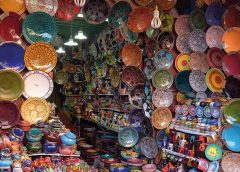
Introduction to Handcrafted Afghan Pottery Jar
Handcrafted Afghan pottery jars are a testament to the rich cultural heritage and artistic traditions of Afghanistan. These exquisite clay vessels are not only functional but also serve as a reflection of the country’s history and identity. Afghan pottery has been passed down through generations, with each piece telling a unique story. From the intricate designs to the vibrant colors, these jars are a true work of art.
The Rich History and Cultural Significance of Afghan Pottery
The history of Afghan pottery dates back thousands of years, with evidence of pottery making found in archaeological sites across the country. The art form flourished during the Islamic Golden Age, with Afghan potters gaining recognition for their craftsmanship and creativity. Pottery was not only used for practical purposes but also played a significant role in religious and cultural ceremonies.

Afghan pottery holds immense cultural significance for the people of Afghanistan. It is deeply rooted in their traditions and customs, representing their connection to the land and their ancestors. These jars are often used in weddings, births, and other important celebrations, symbolizing good luck and prosperity. They are also considered a form of artistic expression, with each design reflecting the unique style and creativity of the potter.

Traditional Techniques and Artistry in Afghan Pottery Making
The process of creating handcrafted Afghan pottery jars is a labor-intensive and intricate one. It requires a deep understanding of the materials, techniques, and cultural symbolism associated with the art form. The clay used for making these jars is sourced from specific regions known for their high-quality clay deposits.
The first step in the pottery-making process is preparing the clay. It is carefully mixed with water and kneaded to achieve the right consistency. The potter then shapes the clay on a wheel or by hand, using traditional tools such as wooden paddles and metal scrapers. The design is meticulously carved into the clay, often featuring geometric patterns, floral motifs, or calligraphy.
Once the jar is shaped and decorated, it is left to dry in the sun for several days. Afterward, it is fired in a kiln at high temperatures to harden the clay and give it durability. The final step involves glazing the jar, which adds a glossy finish and enhances the colors of the design. The entire process requires patience, skill, and attention to detail.
Preserving and Promoting the Legacy of Afghan Pottery
In recent years, there has been a growing effort to preserve and promote the legacy of Afghan pottery. Organizations and artisans are working together to revive traditional techniques and provide training to the younger generation. This not only ensures the survival of this ancient art form but also creates economic opportunities for Afghan artisans.
One such organization is the Turquoise Mountain Foundation, which has been instrumental in reviving Afghan crafts, including pottery. They have established training programs and workshops where young potters can learn the traditional techniques and develop their skills. Through these initiatives, the foundation aims to empower Afghan artisans and promote their work on a global scale.
The promotion of Afghan pottery has also gained international recognition. Exhibitions and art fairs around the world have showcased these exquisite jars, attracting collectors and art enthusiasts. The demand for Afghan pottery has increased, leading to economic growth for the artisans and their communities.
In conclusion, handcrafted Afghan pottery jars are not just objects of beauty but also a testament to the rich cultural heritage of Afghanistan. The history, techniques, and artistry involved in their creation make them a valuable part of the country’s artistic legacy. By preserving and promoting this ancient craft, we can ensure that future generations continue to appreciate and celebrate the beauty of Afghan pottery.
Leave a Reply
You must be logged in to post a comment.